
9+ GW
Grid-scale battery capacity
National Electricity Market; more than doubled over the past year.
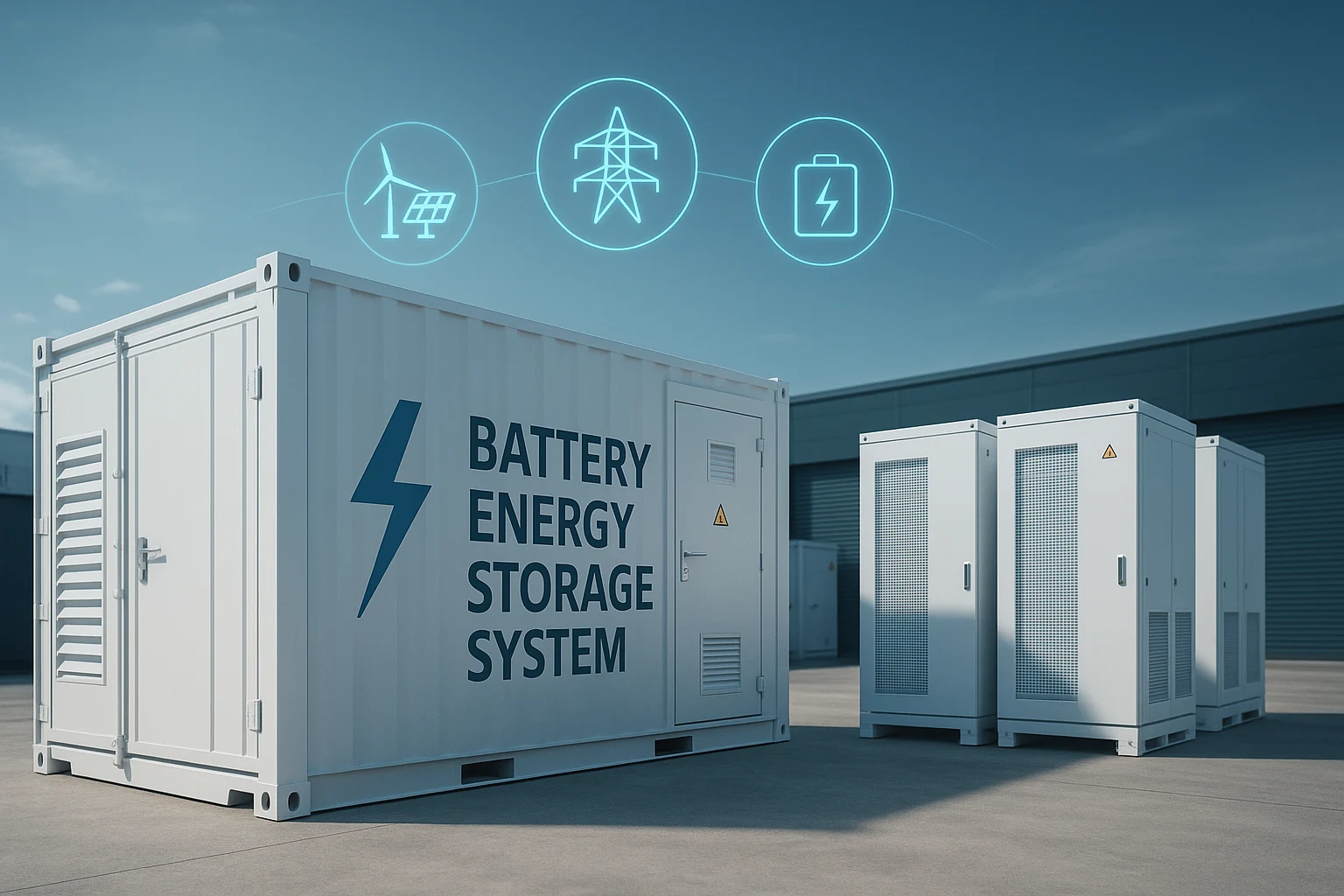
Edisonic Energy supplies battery energy storage systems (BESS) for commercial sites, councils, mines and remote communities across Australia. Start with your electricity or fuel data, and find out whether a battery makes sense for your site.
Find the right starting point
Market outlook
Battery storage is becoming a larger part of the electricity system. These observed market figures explain the direction of travel; your project's economics still depend on its own data.
AEMO Quarterly Energy Dynamics, April to June 2026. Published 28 July 2026.
9+ GW
National Electricity Market; more than doubled over the past year.
3.9 GW
14 projects commissioned to full output during the quarter; not batteries alone.
42.1%
National Electricity Market, up from 37.1% a year earlier.
47%
NEM quarterly average, year on year; not a forecast of your bill savings.
Product portfolio
From all-in-one cabinets to multi-megawatt-hour systems. Start with your load, then choose the configuration.
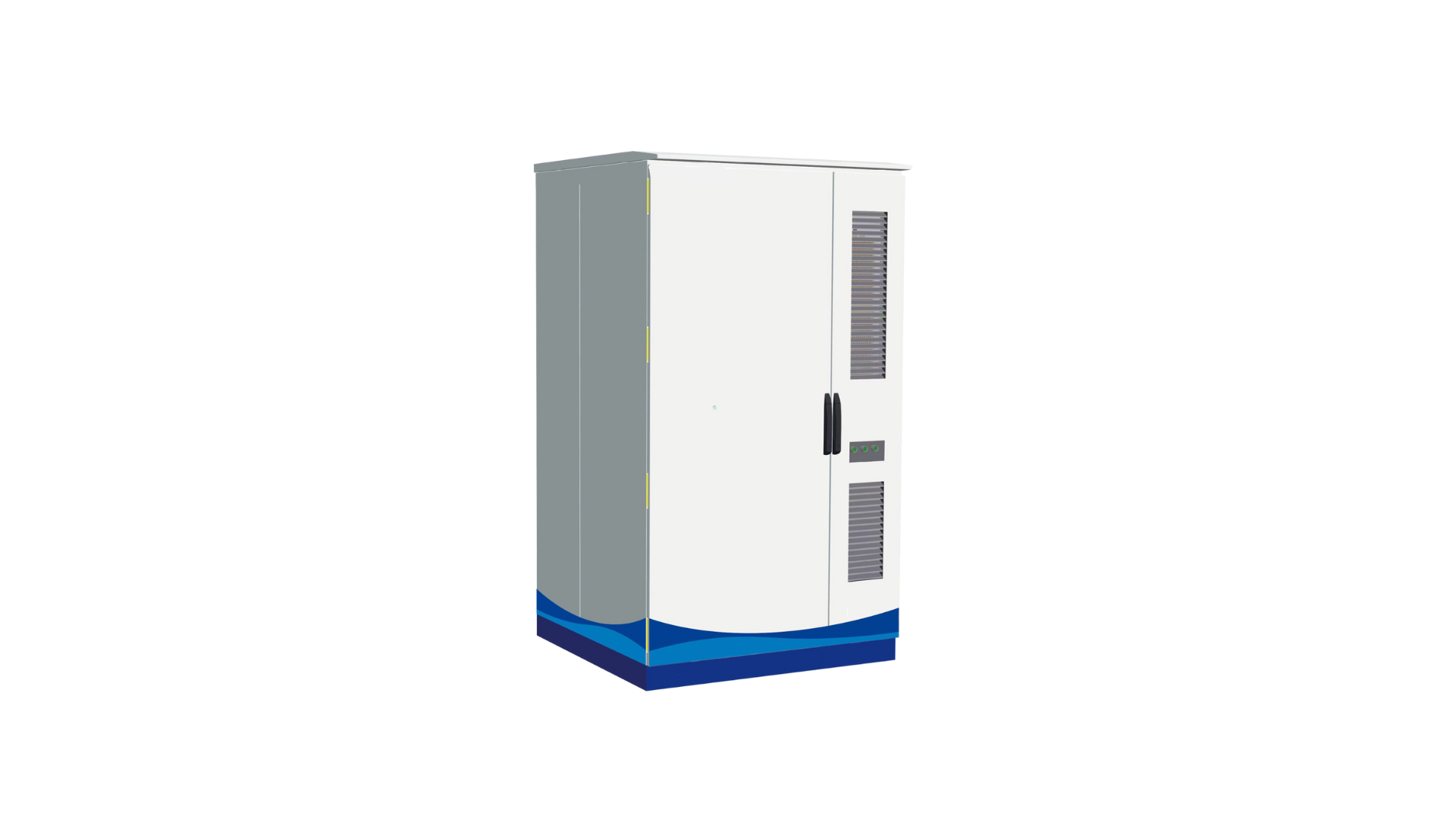
For commercial sites, council facilities and depots.
LFP cells · Liquid cooling · Integrated controls
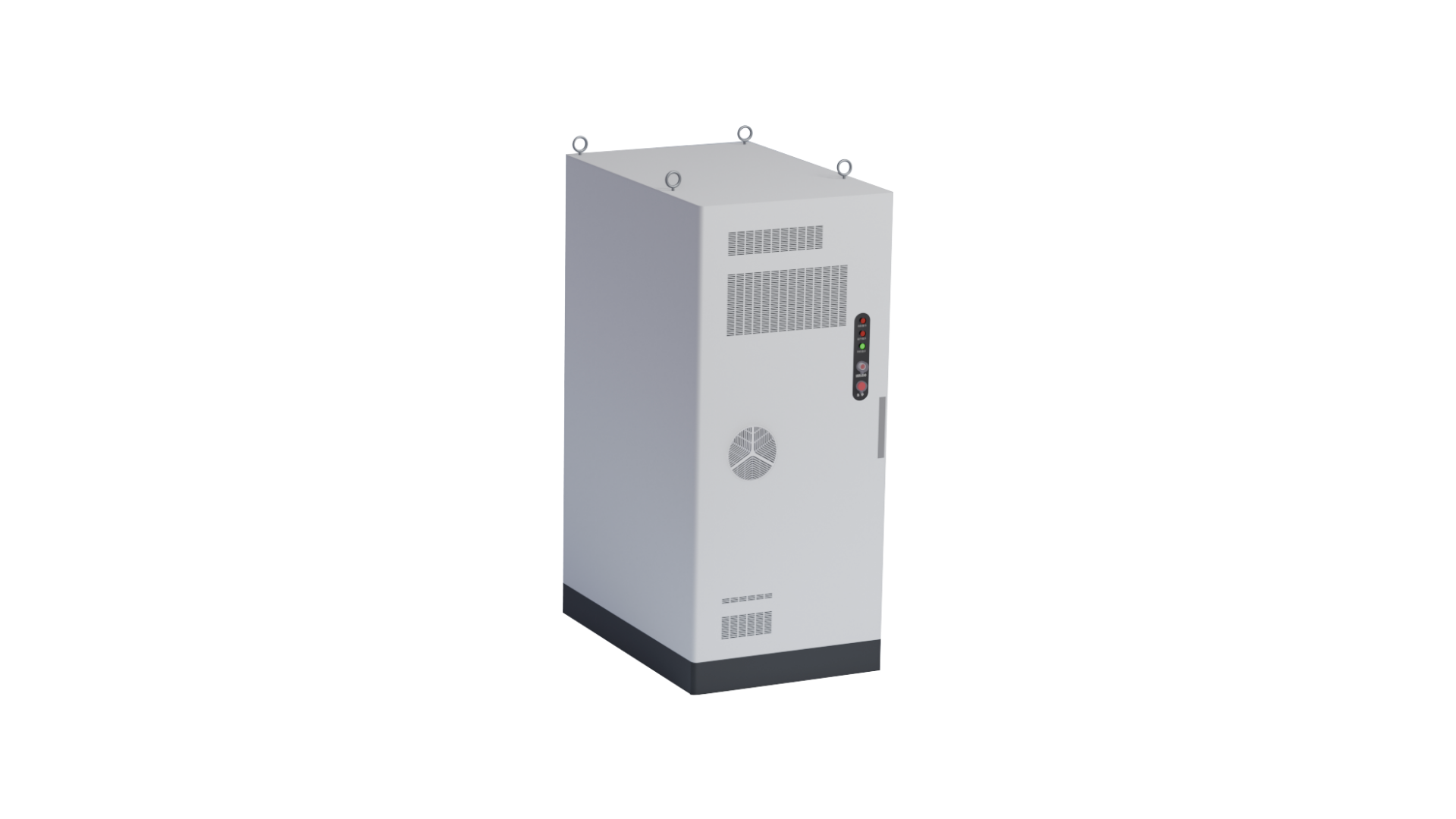
An all-in-one cabinet for commercial and industrial sites.
LFP cells · Liquid cooling · Integrated controls
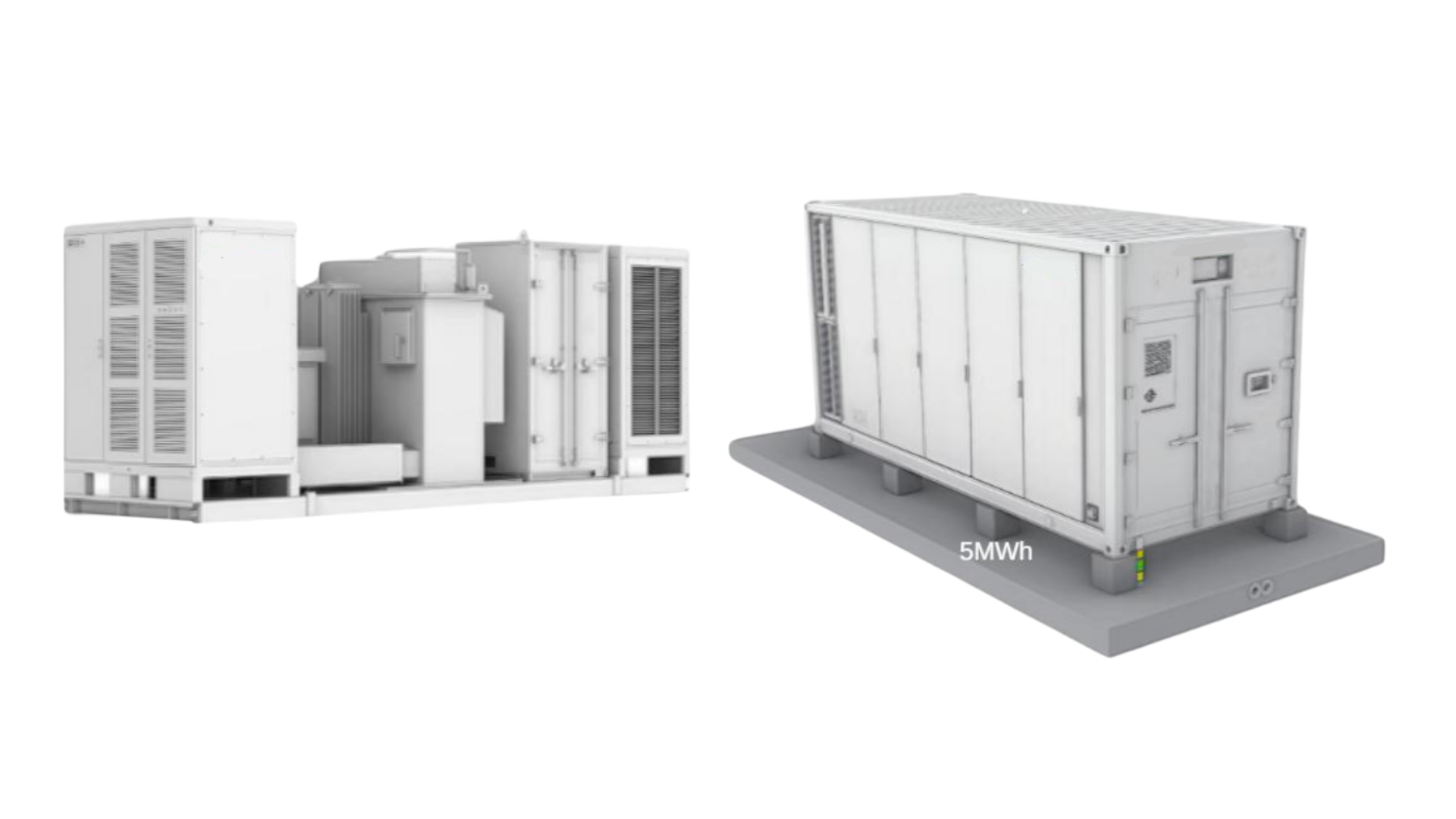
Distributed storage for larger facilities and mine power stations.
Modular system · Liquid cooling · Remote monitoring
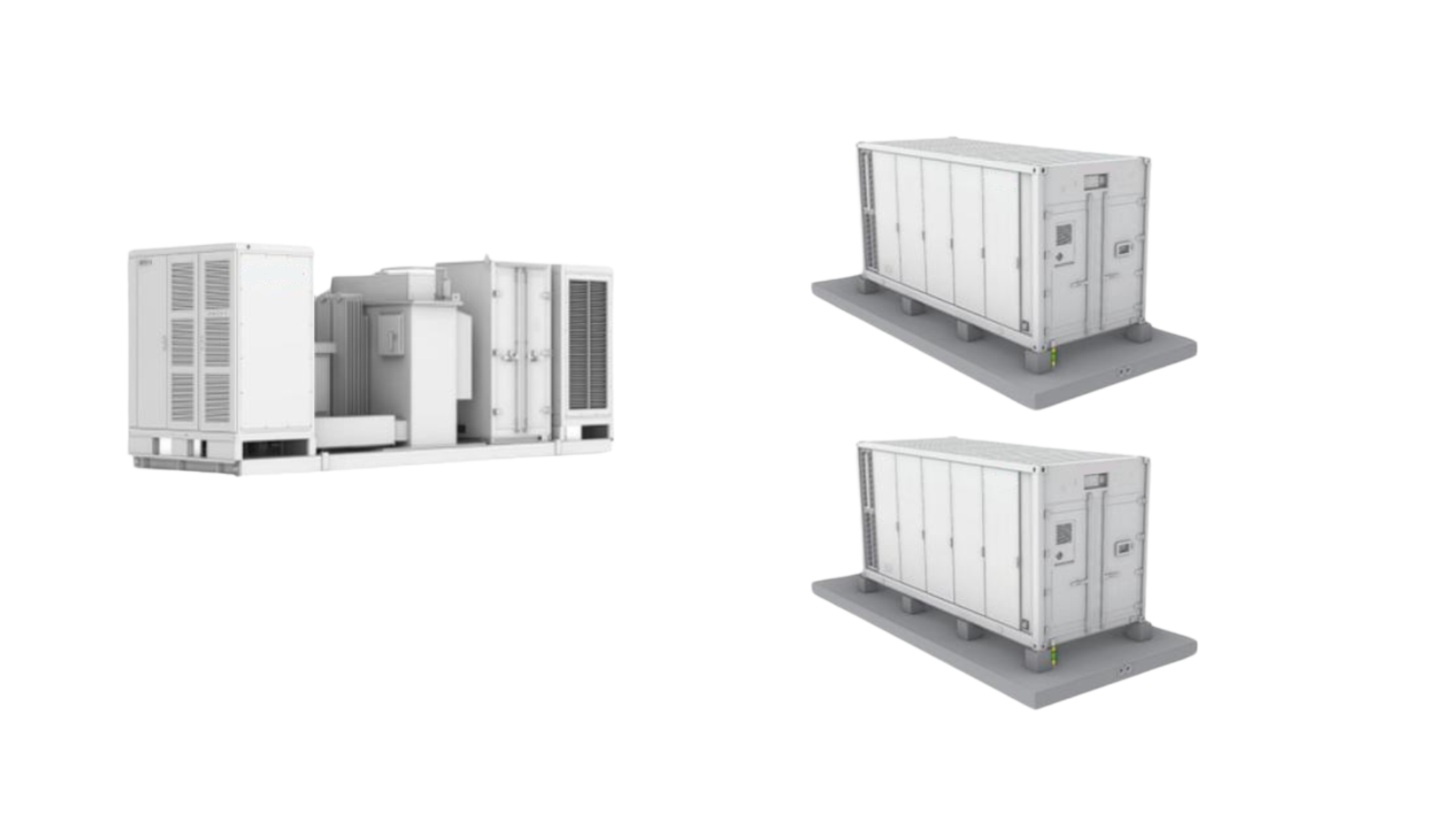
Centralised storage for larger projects.
Modular system · Liquid cooling · Remote monitoring
Standards and support
Product documentation, site requirements and the connection pathway are checked for your project before we quote.
Applications
Different sites need different models. Follow the path that matches your operation.
Model upfront equipment, installation and connection costs, then compare NPV, IRR and payback over 20 years. All figures are indicative scenario estimates in AUD, excluding GST. Presets are illustrative, not current market prices or a supplier quote.
Charging cost uses the average of the off-peak and solar charging rates. Discharge value uses the peak rate. FCAS income is a separate assumption, subject to eligibility and dispatch constraints, with no revenue-stacking optimisation.
Try the site savings estimator
This is an illustrative, unlevered scenario model, not a verified financial forecast. Defaults are legacy assumptions and are not live AEMO prices, product specifications or Edisonic pricing. Tax and depreciation inputs are modelling assumptions only. The model excludes finance costs, GST, grants, battery replacement, terminal value and dispatch optimisation. Actual results depend on:
Professional feasibility studies, detailed engineering assessments, and legal/financial advice should be obtained before making any investment decisions. Edisonic Energy does not guarantee the accuracy of these estimates or accept liability for decisions made based on this calculator.
For detailed project analysis, please contact our technical team for a comprehensive feasibility study.
For electrical contractors
Explore installation work, product training and local technical support.
Looking for a battery for your own site? Start with the free assessment.
Your next step
Get a free one-page go/no-go assessment within five business days of receiving your data. Upload it now, send it later, or authorise us to request your meter data.
No obligation to commission a study.
A BESS stores electricity and releases it when it's worth more: at peak demand, overnight after a solar day, or when a generator would otherwise have to run. Ours use lithium iron phosphate (LFP) cells, liquid cooling and an energy management system with remote monitoring.
Our smallest system is a 233 kWh cabinet. It suits sites whose demand peaks well above 100 kW, sites with a large solar system, and sites that run generators for much of the day.
Kilowatts (kW) measure how much power a battery can deliver at once. Kilowatt-hours (kWh) measure how much energy it stores. Both matter: power determines which demand peaks or loads it can support, while energy capacity determines how long it can support them. We size both from your load profile or fuel records.
That depends on size, site works and the network connection. We price systems landed, installed and commissioned once the study confirms the size. The go/no-go costs nothing.
In NSW, the Peak Demand Reduction Scheme has included business batteries above 200 kWh (activity BESS5) since September 2026, and the NSW Government says the discounts cut the upfront cost of batteries by around 20 to 40 per cent. Federal and state programs also fund some council and remote community projects. We check eligibility for your site and system in the study.
Across Australia, from offices in Sydney and Brisbane.